
WhatsApp API Pricing 2026: What Replies Now Cost
From 1 October 2026, Meta bills WhatsApp API replies at ₹0.115 each in India after the first 1,000 free per number per month.

Founder, OperateAI
WhatsApp Business API replies are no longer free. Since 1 October 2026, Meta charges ₹0.115 for every reply a business sends to a customer in India, after the first 1,000 replies each month on each phone number. Messages your customers send you stay free, and the WhatsApp Business app on your phone is not affected at all.
Does This Change Affect Your Business?
Start with one question: do you use the WhatsApp Business app or the WhatsApp Business API?
- The app is the green icon you download from the Play Store or App Store. You reply from your phone or WhatsApp Web. Nothing changes for you. The app stays free.
- The API (Application Programming Interface, the version that connects WhatsApp to other software) is what you use if your WhatsApp runs through a provider or tool. Gupshup, AiSensy, Wati, Interakt, a shared team inbox, a chatbot, or a CRM that sends WhatsApp messages all sit on the API. This change applies to you.
If you are not sure, check how you pay for WhatsApp today. If you pay a provider a monthly fee, or you have topped up a wallet for WhatsApp messages, you are on the API.
The change is also limited to messages you send. Meta's pricing page is explicit: Meta charges only for messages from businesses to users, never for messages from users to businesses.
What Changed on October 1, 2026?
Two kinds of message that used to be free inside the 24-hour customer service window are now charged. That window opens every time a customer messages you, and resets with each new customer message.
1. Service messages (your normal replies). These are the free-form replies your team or your bot sends after a customer writes in. Meta made them free on 1 November 2024. From 1 October 2026, each one is charged, but every business phone number gets 1,000 free service messages a month. Billing starts at the 1,001st.
2. Utility templates sent inside the window. These are pre-approved templates like order confirmations and delivery updates. Sent as a reply inside an open window, they were free from 1 July 2025. From 1 October 2026 they are charged again, and the 1,000 free tier does not cover them.
Meta lists both changes under "Charging for messages that were previously free" on its pricing page. Two details matter more than they look:
- The free 1,000 does not roll over. Unused messages disappear at the end of the month. The tier resets at midnight in your messaging account's timezone.
- No payment method, no replies. If your account has no payment method on file, Meta delivers your first 1,000 service messages and then stops delivering them for the rest of the month.
What Do WhatsApp API Messages Cost in India?
These are Meta's list rates for messages sent to Indian phone numbers, from its official INR rate card effective 1 October 2026 (linked from the rate cards section of Meta's pricing page):
| Message type | Price in India |
|---|---|
| Customer messages to you | Free |
| Service reply (first 1,000 a month) | Free |
| Service reply (after 1,000) | ₹0.115 |
| Utility template (order updates) | ₹0.115 |
| Authentication (OTPs) | ₹0.115 |
| Marketing template (offers) | ₹0.8631 |
Three things to know about these numbers:
- They are Meta's list rates, not your invoice. Many providers add their own markup on top, and taxes may apply. Check your provider's rate sheet for the number you actually pay.
- The rate depends on the customer's country code, not yours. A reply to a +91 number uses the India rate. A reply to a +971 number in the UAE uses the UAE rate.
- India billing is moving to rupees. Businesses and providers that Meta bills in India must move their WhatsApp messaging accounts to INR billing by 31 December 2026. From 1 January 2027, Meta stops delivering messages from accounts that have not switched. If you use a provider, ask them whether they have.
Online, you will find this rate quoted as ₹0.115, 14 paise and ₹0.15. The figure on Meta's own rate card is ₹0.115.
How to Work Out Your New Monthly Bill
The formula for service replies is short:
New monthly cost = (replies sent − 1,000) × ₹0.115
Pull last month's count of outgoing service messages from your provider's dashboard, then run the numbers:
| Replies a month | New charge |
|---|---|
| 800 | ₹0 |
| 5,000 | ₹460 |
| 10,000 | ₹1,035 |
| 41,000 | ₹4,600 |
The 41,000 row is real. One business owner checked their numbers on Reddit the week before the change and found 41,000 session messages in August alone.
Then add your utility templates. If you send 2,000 order confirmations a month as replies inside the window, that is another 2,000 × ₹0.115 = ₹230, with no free tier.
For most small businesses this is a small line item. For a busy support inbox it is a real one, and it grows with every message you send.
Four Habits That Now Cost You Money
The price per message is small. The habits that multiply your message count are what turn it into a bill.
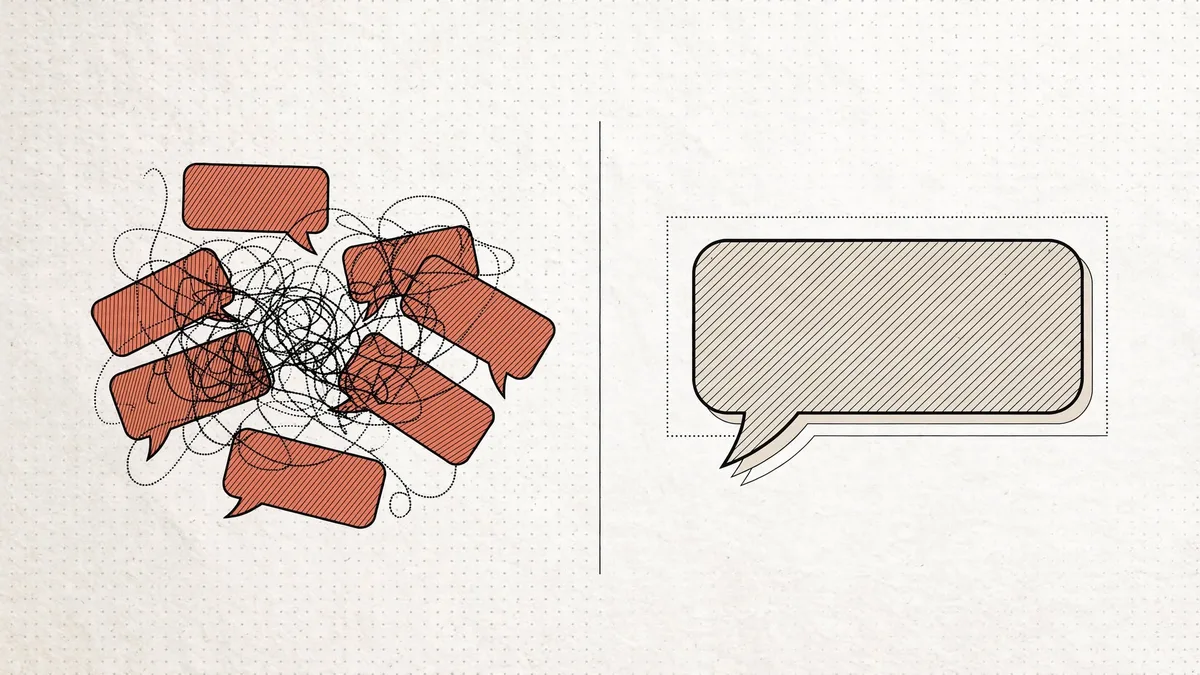
1. Splitting one answer into several bubbles. Many chatbots send an answer as three or four short messages because it reads more like a human. Meta bills each delivered message separately. Meta's own pricing example shows one short sales conversation producing 5 delivered messages and 5 charges. At 5,000 answers a month, one bubble per answer costs ₹460. Three bubbles per answer costs ₹1,610.
2. Chatty bots. "Got it!" followed by "Let me check that for you" followed by the actual answer is three billed messages. Only the last one helped the customer.
3. Confirmations sent as separate templates. An order confirmation template sent inside the window used to be free. Now it is a paid utility message. If your reply already confirms the order, a second template on top doubles the cost for the same information.
4. Ignoring the per-number tier. The 1,000 free service messages apply to each business phone number. A business with three WhatsApp numbers gets 3,000 free replies a month. A business that recently merged everything onto one number gets 1,000.
How to Cut Your WhatsApp API Bill
- One answer, one message. Put "one reply, one message" in the requirements for any bot you build or buy. A complete answer in one bubble is cheaper and usually clearer.
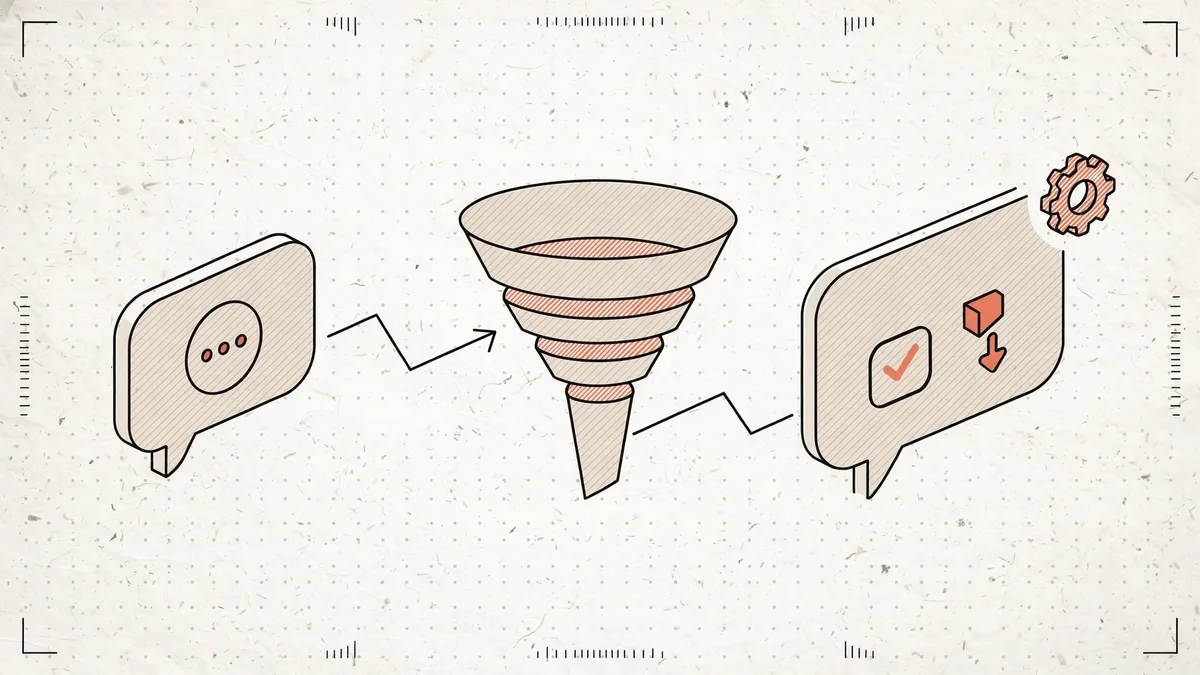
- Send more ad traffic through Click-to-WhatsApp. When a customer starts a chat from an ad that clicks to WhatsApp, Meta opens a free entry point window. Inside it, marketing, utility, authentication and service messages are all free. Meta's changelog from 28 September 2026 says this window can now stay open for up to 7 days, up from 72 hours. Many articles still quote the old 72 hours.
- Add a payment method today. If there is none on your account, your replies stop after the free 1,000 each month. Customers see silence, not an error.
- Audit your templates. Drop any template that repeats what your reply already said. Keep the ones customers actually need, like delivery updates.
- Watch the count, not just the rate. Set a monthly alert in your provider's dashboard at 1,000 service messages, so the bill never surprises you.
Eligible government and non-profit organisations are an exception. Meta keeps their service messages free beyond the monthly tier until 31 December 2027.
What This Does to an AI Agent's Running Cost
We publish real numbers for our builds, so here is what this change does to one of them.
Our WhatsApp AI agent for a Jaipur retail business handles 200–300 messages a day. Before October 2026, its full running cost was about ₹1,500 a month, with WhatsApp fees around ₹100 of that. The line-by-line breakdown is in our AI automation cost guide for India.
If it sends one reply per customer message, that is 6,000–9,000 replies a month, and the new service-message charge adds roughly ₹575–₹920 a month. That takes the agent's total to about ₹2,100–₹2,400 a month. It is still a fraction of one employee's salary, and it now rewards agents that answer in one message instead of three.
If you are planning a new WhatsApp agent, ask for two numbers in every quote: the build price, and the expected monthly Meta charge at your real message volume. Our WhatsApp AI agent case study shows what a working agent looks like, and the e-commerce support guide shows how to answer the most common questions automatically without extra messages.
Want help working out what this change costs your business?
Book a free 30-minute AI audit with founder Ajay Singhadiya →
We pull your real message count, work out your new monthly WhatsApp bill, and show you where the extra messages come from. Or see our WhatsApp AI agent service.
FAQ
Q: Is WhatsApp Business free after October 1, 2026? The WhatsApp Business app is still free. The WhatsApp Business API is not: from 1 October 2026, replies are charged at ₹0.115 each in India after the first 1,000 a month per phone number. Messages customers send to you remain free on both.
Q: Does the WhatsApp Business app also charge per message? No. Per-message charges apply only to the WhatsApp Business Platform, which is the API used through providers, inboxes and chatbots. If you reply from the WhatsApp Business app on your phone, nothing changed.
Q: How do I find out how many service messages my business sends? Open your WhatsApp provider's dashboard and look for last month's outgoing messages by category. The "service" count is the number that matters. Subtract 1,000 and multiply by ₹0.115 to estimate your new monthly charge.
Q: Do the 1,000 free service messages roll over? No. The free tier resets every month for each business phone number, and unused messages do not carry forward. The reset happens at midnight in your WhatsApp messaging account's timezone.
Q: Are replies to Click-to-WhatsApp ad conversations still free? Yes. A chat that starts from an ad that clicks to WhatsApp opens a free entry point window, where marketing, utility, authentication and service messages are not charged. Meta says this window can now stay open for up to 7 days.
Q: Should I move customer support off WhatsApp to save money? Usually not. At ₹0.115 a reply, most small businesses pay a few hundred rupees a month, and WhatsApp is where Indian customers already are. Cut the message count first: one message per answer, fewer duplicate templates, and more chats started from Click-to-WhatsApp ads.
Want help putting this to work?
Book a free 30-minute AI audit. We'll show you exactly what to automate and in what order.
Get Your Automation Plan
OperateAI · Field Notes · No. 16
Keep reading
All articlesAI Agent vs Automation Workflow: Which Does Your Small Business Actually Need?
Sep 27, 2026 · 12 min readAutomationThe Safe AI Framework: How Small Businesses Automate Daily Tasks Without Costly Mistakes
Sep 20, 2026 · 10 min readE-CommerceThe Big 4 Support Questions: How E-Commerce Stores Automate 70% of Customer Messages
Aug 22, 2026 · 11 min read