
GEO
GEO vs SEO in 2026: Why Getting Cited by AI Matters More Than Ranking on Google

Ajay Singhadiya, Founder, OperateAI
8 min readUpdated
On this page · 8 sections
- 01The New Reality Nobody Is Talking About Enough
- 02What is GEO in Simple Words?
- 03GEO vs SEO: The Real Difference
- 04Why Most People Still Don't Know About GEO
- 05How GEO Will Actually Grow Your Business
- 064 Quick GEO Wins You Can Start Today (No Technical Skills Needed)
- 07Want the Complete Step-by-Step System?
- 08The Bottom Line
The New Reality Nobody Is Talking About Enough
The era of SEO is ending. We are now in the era of GEO (Generative Engine Optimization), where the goal is not to be clicked, but to be cited.
Most founders still think like this: "I need to rank on Google, get clicks, get visitors, get leads."
But here's what is actually happening:
- About 68% of US Google searches ended without a single click from January to April 2026, up from 60% in 2024 (SparkToro, using Similarweb data).
- AI summaries appeared on 18% of Google searches in Pew Research's March 2025 study, and on 60% of searches phrased as a question.
- When a summary showed up, people clicked a regular result on 8% of visits, against 15% when there was none (same Pew study).
- At the same time, more people (especially younger decision makers) are directly asking AI tools like ChatGPT, Claude, Gemini or Grok instead of typing queries into Google.
They don't want 10 blue links anymore. They want one clear answer.
And that answer is being written by AI, using whatever information it finds most trustworthy and clear.
If your business is not part of that answer, you are becoming invisible, even if you rank well on Google.
What is GEO in Simple Words?
GEO (Generative Engine Optimization) means optimising your content so that AI tools cite you when they generate answers.
Instead of fighting for the #1 position in Google search results, you fight to become one of the sources AI uses when it explains something to a user.
Think of it like this:
- Traditional SEO = Be the shop that appears first on Google Maps.
- GEO = Be the shop that the local guide actually recommends when someone asks "Which is the best shop for this?"
Both matter. But the second one is becoming more powerful every month.
GEO vs SEO: The Real Difference
| Aspect | Traditional SEO | GEO (Generative Engine Optimization) |
|---|---|---|
| Goal | Get clicked | Get cited by AI |
| Success metric | Rankings + traffic | Brand mentions in AI answers + authority |
| User behaviour | User clicks and visits your site | User gets the answer inside an AI chat, often zero click |
| Content style | Keyword-optimised pages | Clear, direct, citable answers with original insight |
| Future risk | Traffic can drop as AI Overviews grow | Becomes more valuable as AI usage increases |
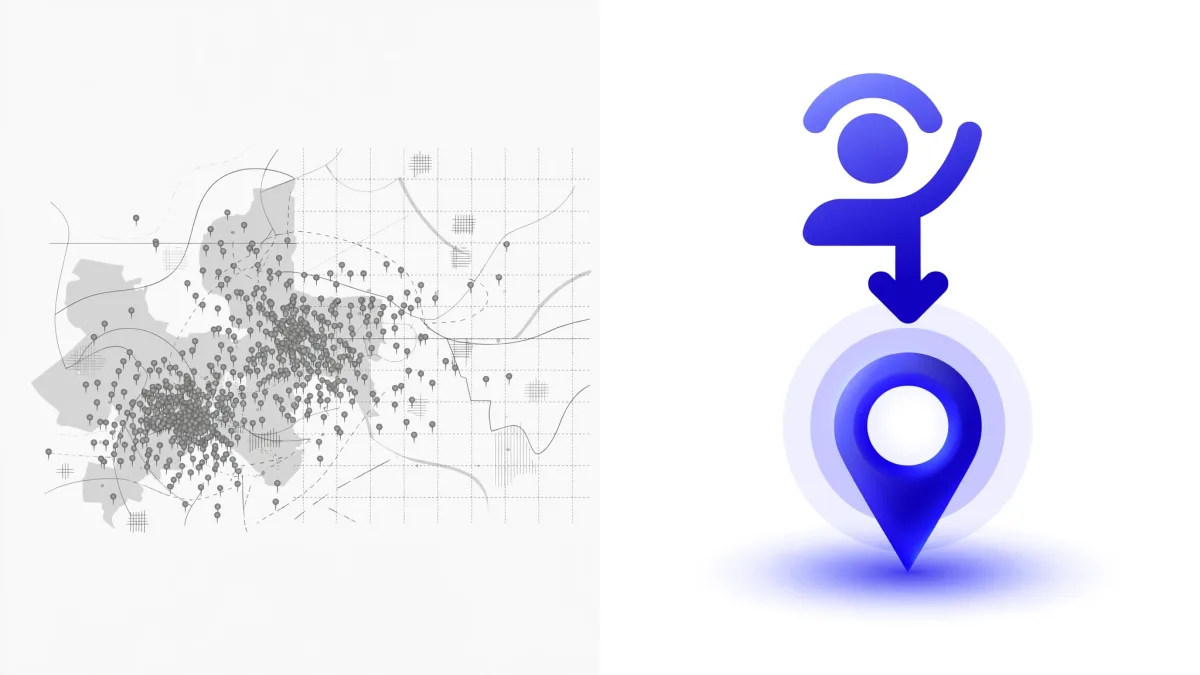
The old game was visibility through clicks. The new game is visibility through being referenced.
Why Most People Still Don't Know About GEO
Because it is still new.
Most SEO agencies and "gurus" are still teaching the 2018 to 2022 playbook. Google itself continues to push traditional SEO tools and courses. The media talks more about "AI will replace jobs" than "AI is quietly changing how businesses get discovered."
Meanwhile, the shift is already happening quietly. One founder recently told me that when he asked both Claude and Grok for automation service recommendations, both AIs mentioned OperateAI.in by name. That's how he found us. No Google search. No website visit first. Just a direct recommendation from AI.
This is the new word-of-mouth, except it's coming from machines.
How GEO Will Actually Grow Your Business
Here's what changes when you start getting cited by AI:
- Your brand gets discovered even when people aren't actively searching for you.
- You build authority faster, because being cited by AI feels like a trusted recommendation.
- You reduce dependency on Google traffic, which is becoming less reliable.
- Higher-quality leads come in, because the people who see your name in AI answers are often further along in their decision-making.
- It creates a compounding effect: the more you get cited, the more AI sees you as a reliable source, so it cites you even more.

In short: being cited creates a moat that ranking alone can't give you anymore.
4 Quick GEO Wins You Can Start Today (No Technical Skills Needed)
Here are four simple things you can do right now that improve your chances of getting cited:
- Answer real questions directly on your website. Write clear, short answers to the exact questions your customers ask. Use headings like "What is…", "How does… work?", "Best way to…". AI tools love pulling direct, well-structured answers.
- Add original numbers and insights. AI loves citing sources with real data, case studies, or unique observations. Even one original stat or before-after result from your work is worth more than generic content.
- Keep your important pages fresh. Update your key service and insight pages every few months. Fresh, updated content signals to AI that the information is current and reliable.
- Make your expertise visible. Add clear author information, real results, and simple case studies. AI tools prefer citing sources that look like they come from experienced practitioners rather than anonymous content farms.
These four things alone move you ahead of most businesses still only doing traditional SEO.
Want the Complete Step-by-Step System?
The four wins above are good starting points. But if you want the full playbook, with exact prompts, content structure templates, a checklist, and website changes that actually work in 2026, download the free guide below.
GEO Playbook for SMB Founders: Get Your Business Cited in AI Answers
Download the Free GEO Playbook →
Inside you'll get the tested steps you can implement on your own website to increase your chances of being cited in AI search results.
The Bottom Line
Ranking on Google is still useful. But in 2026 and beyond, being cited by AI is becoming the real competitive advantage.
The businesses that understand this early will get discovered more, build trust faster, and stay visible even as search behaviour keeps shifting.
The era of SEO is ending. The era of GEO has already begun.
FAQ
Q: Does GEO replace SEO completely? No. Good SEO fundamentals (fast pages, clear structure, real content) still help AI tools find and trust your site. GEO adds a second layer on top: writing so AI can lift a clear, citable answer out of your page instead of only ranking the page itself.
Q: How do I know if AI tools are already citing my business? Ask ChatGPT, Claude, Gemini, and Perplexity directly about your industry or service and see if your name comes up. There's no reliable dashboard for this yet, so manual checks every few weeks are currently the most practical method.
Q: Do I need to rewrite my whole website for GEO? No. Start with your most important pages, service pages and FAQs, and rewrite them to directly answer the exact questions your customers ask. That alone covers most of the gain described in this guide.
Q: How long does it take to start getting cited by AI? It varies, but most businesses that apply the four wins in this guide consistently start seeing early signs (AI mentioning their name or content) within 4 to 8 weeks, since AI models pull from frequently updated, well-structured sources faster than they used to.
Want help putting this to work?
Book a free 30-minute AI audit. We'll show you exactly what to automate and in what order.
Get Your Automation Plan
Keep reading
All articlesWhatsApp API Pricing 2026: What Replies Now Cost
Oct 4, 2026 · 11 min readAutomationAI Agent vs Automation Workflow: Which Does Your Small Business Actually Need?
Sep 27, 2026 · 12 min readAutomationThe Safe AI Framework: How Small Businesses Automate Daily Tasks Without Costly Mistakes
Sep 20, 2026 · 10 min read